
What Is a Mortise Lock and Why NYC Doors Depend on Them
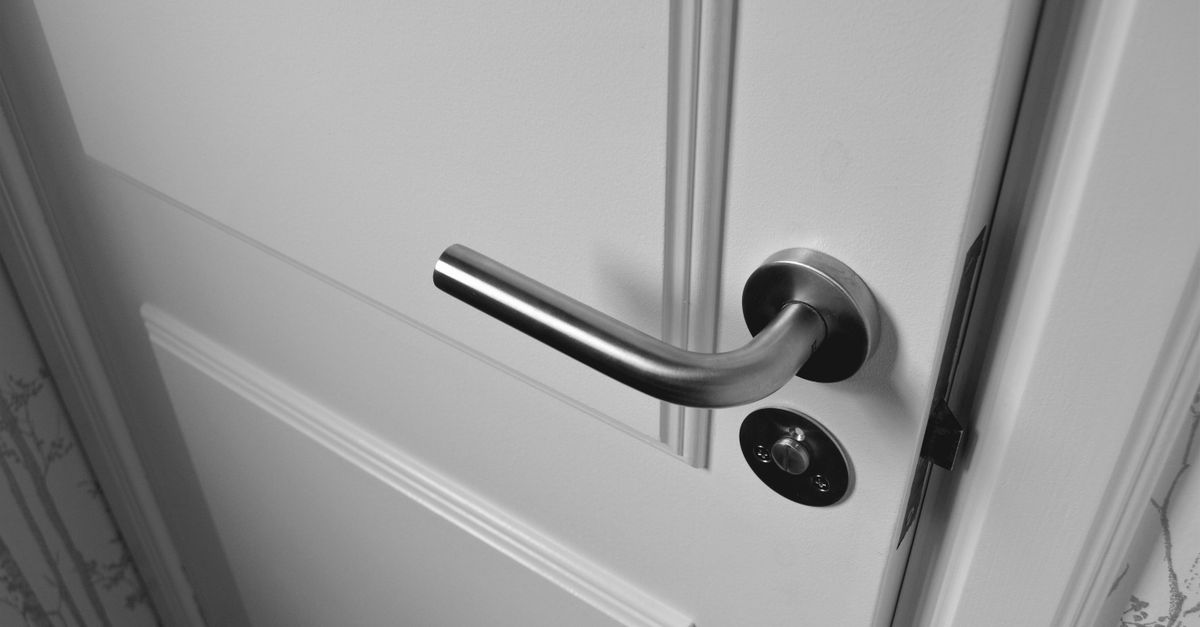
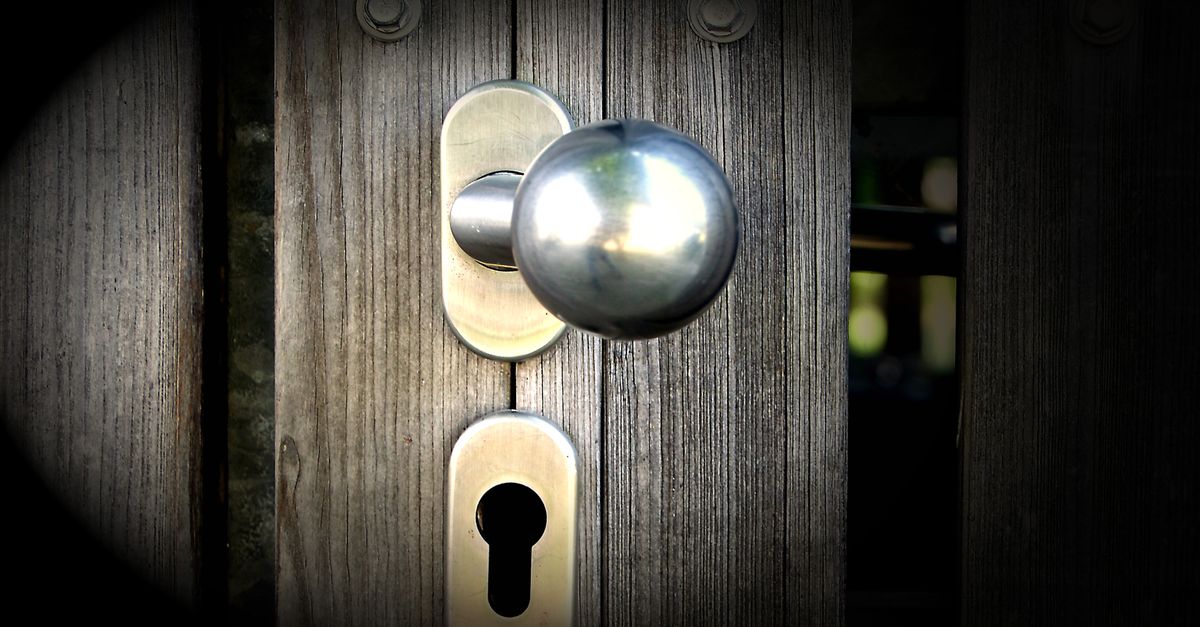
A mortise lock is a complete locking mechanism — latch bolt, deadbolt, and in many cases a privacy or passage function — housed inside a single steel or cast-iron case that sits flush within a mortise pocket cut into the door's edge. Unlike cylindrical locks that drill through the face of a door, a mortise lock set integrates with the door's structure, distributing force across a larger surface area and making it significantly more resistant to kick-in attacks. That's a meaningful advantage on busy New York City streets where building security is taken seriously by tenants and insurers alike.
In older NYC buildings you'll encounter a range of legacy hardware: heavy Corbin Russwin mortise lock bodies that have been in service for 50 or 60 years, Baldwin mortise lock sets installed during high-end renovations in the 1970s and 1980s, and countless no-name cast-iron cases that predate modern brand labeling entirely. These mechanisms were built to last, but decades of daily use, seasonal humidity swings, and building settlement all take a toll. Cylinders wear smooth, cams slip, springs lose tension, and the intricate interaction between the lock body, the trim, the cylinder, and the strike plate slowly degrades. Understanding this ecosystem is what separates a true mortise lock specialist from a generalist who simply swaps hardware.