Keypad, Fob, and Buzzer Systems — What Each One Does for Your Business
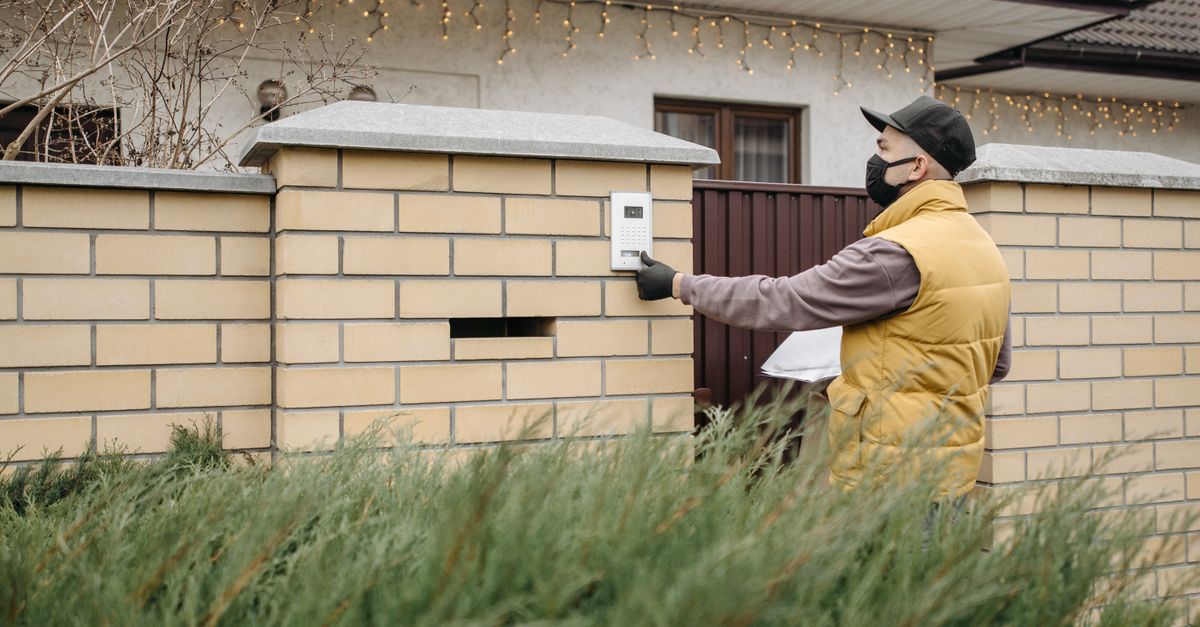
Not every commercial space needs the same credential type, and choosing the wrong one creates friction for your staff and gaps in your security. Keypad entry systems are ideal for spaces where you want code-based access without issuing physical credentials — think back offices, server rooms, or storage areas where codes can be changed the moment an employee departs. Key fob and proximity card systems scale better across larger teams: each fob carries a unique identifier, so you can revoke a single user in seconds without changing codes for everyone else. Buzzer and intercom entry systems — the familiar door-release panels found throughout apartment lobbies and commercial storefronts from the West Village to Flushing — add a human verification layer, letting staff visually or audibly confirm a visitor before releasing the door strike.
The strongest installations combine credential technology with the right door hardware underneath it. An access control mortise lock is the foundation of any serious commercial setup: the mortise body is recessed directly into the door edge, integrating the latch, deadbolt, and electric strike or motorized bolt into a single reinforced unit that is far more resistant to kick-in, prying, and tampering than a standard cylindrical lock. At Pro Locksmith NYC, our commercial locksmith technicians pair every electronic access system with mortise lock hardware sized and rated correctly for your door material — hollow metal, solid wood, aluminum storefront — so the weakest point in your entry is never the hardware.