
Why Car Keys Break — and Why It Happens More Than You'd Expect
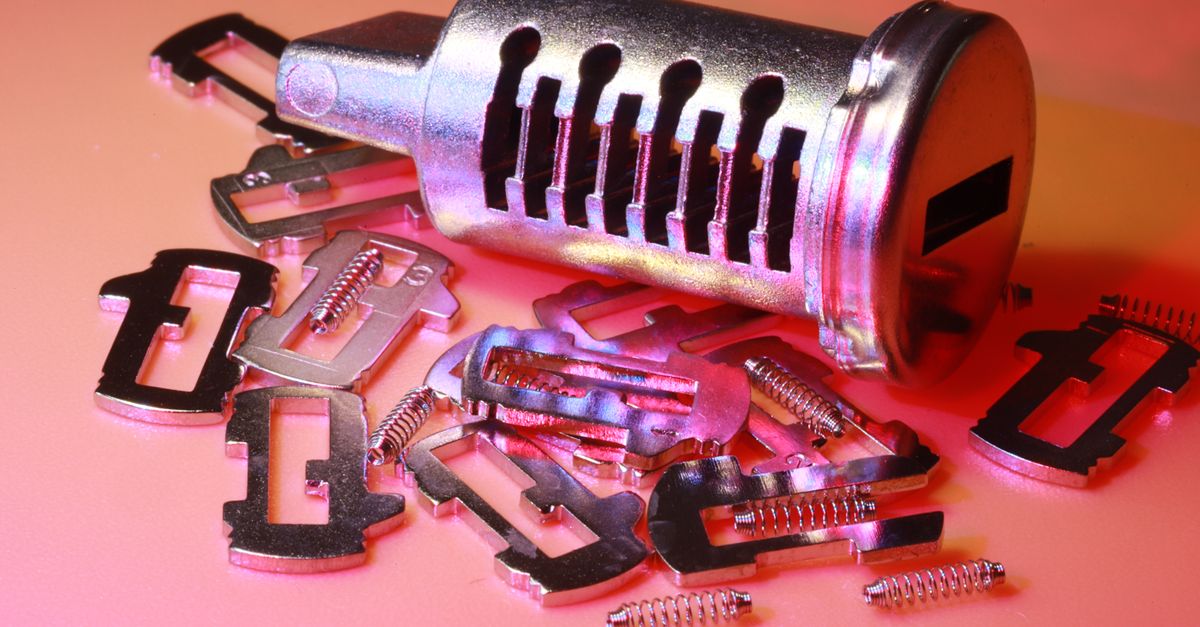
Car keys fail for reasons that are almost entirely predictable once you understand the mechanics involved. Modern vehicle keys are cut from brass or nickel-silver alloy, and repeated bending stress — from a heavy keychain, from forcing a key into a misaligned lock cylinder, or simply from years of daily use — creates microscopic metal fatigue along the blade. Eventually, the key snaps, usually at the shoulder near the bow, and the broken tip stays trapped inside the cylinder. Transponder keys and laser-cut high-security keys are particularly susceptible when they are torqued at an angle, which happens frequently in tight parking situations common across New York City — think parallel parking on a narrow block in Astoria or navigating the cramped lots beneath a Lower Manhattan office tower.
Ignition cylinder breaks are especially common in older vehicles where the cylinder itself has worn grooves that cause the key to bind. Door lock cylinders, meanwhile, are exposed to New York's freeze-thaw winters and road salt, which accelerates corrosion and makes extraction more delicate. In either case, the internal state of the cylinder determines the approach our technicians will take — and it is always assessed on-site before any tools are applied.