Why Commercial Mortise Deadlock Installation Is the Standard for Storefront Doors
Unlike a cylindrical bored lock — which sits in two simple holes drilled through the door face — a mortise lock body is let into a precisely routed pocket cut into the door's edge. That integration means the lock's steel case is protected on three sides by the door material itself, dramatically reducing the leverage an intruder can apply with a pry bar or kick. A true commercial mortise deadlock adds a full dead bolt throw of one inch or more alongside the spring latch, and many models incorporate an anti-pick, anti-drill, anti-bump commercial mortise lock cylinder as standard equipment. For New York businesses subject to NYC Building Code requirements and, in many cases, tenant lease clauses that mandate specific hardware grades, mortise-style locks are often the only acceptable choice.
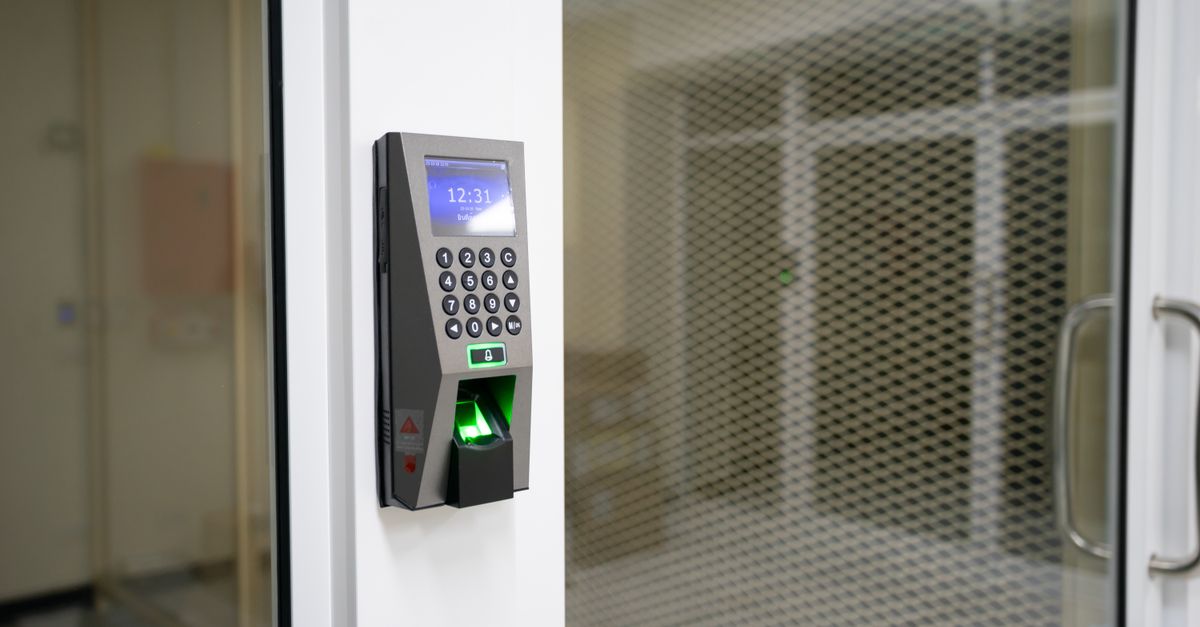
The mortise format also future-proofs your security investment. When you need to integrate access control — a keypad, a proximity card reader, or even a commercial mortise smart lock module — the trim and cylinder are simply swapped out while the lock body stays in the door. That modularity is one reason major hardware lines from manufacturers like Schlage are engineered around the mortise platform for their commercial product families. If you are evaluating brands such as Baldwin commercial mortise lock hardware or Marks commercial mortise lock bodies for your property, our technicians can walk you through the grade ratings, backset dimensions, and cylinder formats that match your specific door prep before any hardware is ordered.