Car Key Replacement by Vehicle Brand — What Makes Each One Different
Not every car key is created equal, and the gap between brands is wider than most drivers realize. Toyota and Lexus vehicles use an 80-bit DST encryption chip in their smart keys and remotes, requiring immobilizer synchronization after every new key is cut — a step skippers cause a no-start condition. Honda and Acura models manufactured after 2017 rely on proximity-based Honda Smart Entry keys that must be paired to the BCM on-site. Ford and Lincoln vehicles, particularly F-Series trucks and Explorer models, use Pats (Passive Anti-Theft System) transponders that demand a minimum of two working keys present during programming on older generations, or a dealer-level EEPROM read on newer ones — our vans carry the specialized hardware to handle both scenarios. GM vehicles, including Chevrolet, GMC, Buick, and Cadillac, span several key families from the older B-chip keys to current Passive Entry/Passive Start fobs, each requiring a different protocol our technicians execute on location.
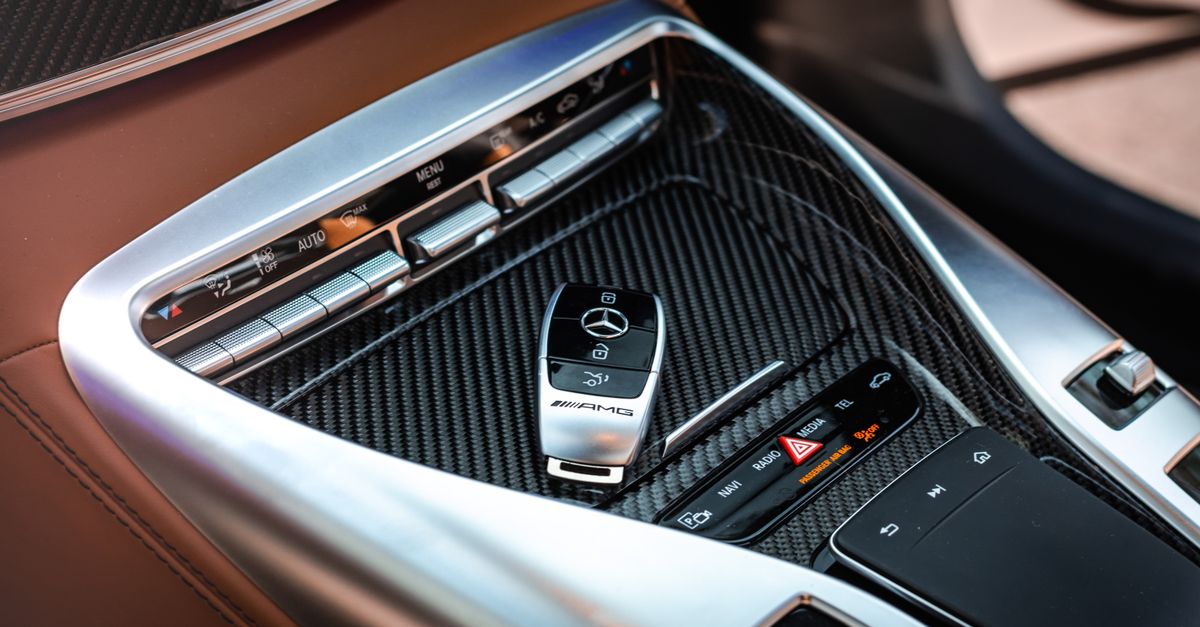
German brands add another layer of complexity. BMW uses the EWS and then CAS/FEM immobilizer generations, meaning a replacement key fob for a 3 Series or X5 requires reading the vehicle's DME synchronization data before cutting — a process that cannot be done with a standard key machine alone. Mercedes-Benz NTG-based vehicles and newer platforms use infrared and radio-frequency combined keys with rolling-code security; our equipment handles the full Mercedes key family from older CR2025-style remotes to the current keyless-go proximity units. Audi and Volkswagen rely on the MQB and MLB platforms with crypto-transponder keys that must be adapted using EEPROM-level procedures for lost-key situations. Regardless of the brand in your driveway, our technicians assess your specific model year before quoting — because a 2015 Subaru Outback and a 2022 Subaru Outback require meaningfully different processes.