Pro Locksmith NYC Service Team
Local locksmith team
May 27, 2026 12 min read
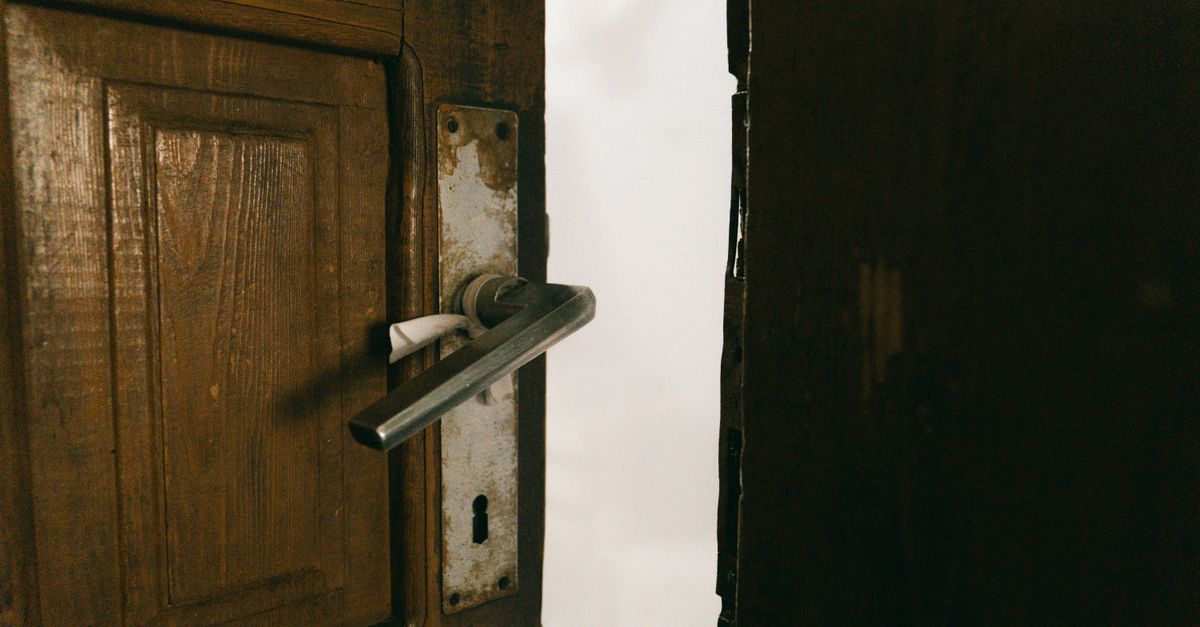
If you live in a pre-war building on the Upper West Side, a Brooklyn brownstone, or a classic Queens walk-up, chances are your front door is secured by a mortise lock — the deep, rectangular lock body that slides into a pocket (or 'mortise') cut directly into the door edge. These locks have been standard in New York City apartment buildings for well over a century, and for good reason: a properly functioning mortise lock is one of the most secure door-locking mechanisms ever made. But 'properly functioning' is doing a lot of heavy lifting in that sentence.
When a mortise lock starts sticking, grinding, or refusing to turn, New Yorkers tend to either muscle through it or ignore it — until the day it fails completely and they're locked out in the hallway at midnight. This guide breaks down exactly why mortise locks stick, what you can realistically fix yourself, and when it's time to call a professional locksmith to repair or replace the hardware before a bad situation gets worse.
## What Is a Mortise Lock and Why Are They Everywhere in NYC?
A mortise lock is a complete locking mechanism — latch bolt, deadbolt, and sometimes a night latch — all housed inside a single metal case that's recessed into a deep slot cut into the door. Unlike a cylindrical lock (the kind you'd find on a modern hollow-core interior door), a mortise lock set requires significant door thickness and skilled installation, which is why you'll find them almost exclusively on solid wood or metal doors. In New York City, building codes and landlord preferences kept these locks dominant through the mid-20th century, and millions of them are still in daily use.
Classic American manufacturers like Corbin Russwin and Baldwin built mortise locks that were designed to last decades — and they did. A Corbin Russwin mortise lock installed in a 1940s Bronx apartment building may still be turning smoothly today. A Baldwin mortise lock on a Park Slope townhouse front door may look nearly identical to what was there when the building was constructed. The engineering is genuinely excellent. The problem is that 'lasting decades' eventually becomes 'lasting too many decades,' and even the best hardware accumulates wear, corrosion, and misalignment over time.
## The Most Common Reasons a Mortise Lock Sticks or Jams
Understanding why your lock is misbehaving is the first step toward fixing it correctly. Sticking mortise locks in New York apartments almost always trace back to one of four culprits. The first is seasonal wood movement: New York's humidity swings dramatically between summer and winter. A solid wood door that fits perfectly in February can swell noticeably by August, putting lateral pressure on the lock case and making the bolt or cylinder feel stiff. The second is a misaligned strike plate — the metal plate on the door frame that the bolt enters. If the door has settled even slightly, or if hinges are loose, the bolt and strike plate fall out of alignment and the lock has to fight itself every time you turn the key.
The third cause is internal wear and dry lubrication. The cam, levers, and springs inside a mortise lock set are precision parts. Over years of use, factory grease dries out, metal-on-metal contact creates microscopic debris, and springs weaken. You'll notice this as a key that requires more and more force to turn, or a thumbturn that feels gritty. The fourth — and most serious — cause is a failing mortise lock cylinder. The cylinder is the separate plug that your key actually enters; it can be re-keyed or replaced independently of the full lock body. When the cylinder wears out or is damaged (from a break-in attempt, for example), the whole lock feels compromised. If you've tried lubricating and the problem persists, the cylinder is often the component that needs professional attention.
## What You Can Safely Try Before Calling a Locksmith
There are a few legitimate, safe steps any homeowner or tenant can take before picking up the phone. Start with lubrication — but use the right product. Graphite powder or a PTFE-based dry lubricant (not WD-40, which attracts dust and gums up over time) applied into the keyway and around the bolt mechanism can free up a lock that's stiff from dried grease. Insert your key and work it back and forth after applying lubricant to distribute it through the cylinder pins. This alone resolves a surprising number of sticky-lock complaints, especially in older buildings where no one has serviced the hardware in years.
Next, check your door alignment. Open the door and look at the gap between the door edge and the frame — it should be roughly even top to bottom. If the gap is wider at the top or bottom, your hinges may have loosened or the frame has shifted. Tightening hinge screws (or replacing them with longer screws that reach the wall stud) sometimes resolves bolt-alignment issues without touching the lock at all. Finally, inspect the strike plate. If you can see wear marks or scratches where the bolt is dragging, the strike plate may simply need to be repositioned a few millimeters. These are the limits of safe DIY work. If none of this helps — or if the key is bending, the bolt is stuck in the extended position, or you're already locked out — stop and call a professional. Forcing a seized mortise lock can destroy internal components and turn a repair into a full replacement.
## Repair vs. Replace: How to Make the Right Call on Your Mortise Lock Set
This is the real question most New York homeowners face, and the honest answer depends on a few specific factors. Repair is almost always the right first move when the lock body itself is structurally sound. If the issue is a worn cylinder, a broken spring, or a misaligned bolt, an experienced locksmith can often service the existing hardware and restore smooth operation — preserving the original lock that may have been part of the door for generations. This is especially relevant for historic townhomes and landmarked buildings in neighborhoods like Brooklyn Heights or the West Village, where maintaining original hardware is both an aesthetic and sometimes a regulatory consideration.
Replacement makes more sense when the lock body itself is damaged — cracked casing, a bent bolt, or severe internal corrosion — or when security has been compromised by a break-in attempt. It's also worth considering if your building's insurance or your lease requires locks that meet current NYC Housing Maintenance Code standards. When replacement is the right call, there's a wide range of mortise lock set options for an exterior door, from traditional keyed entry sets to modern smart mortise lock systems that integrate with phone apps or building intercoms. A qualified locksmith can help you choose hardware that fits your door's existing mortise pocket, matching the dimensions so you're not looking at a major woodworking job. If upgrading to a smart mortise lock, make sure your door and frame can accommodate the electronics and that you have a backup key option — power failures happen, and a New York City winter is not the time to discover your only entry method needs a charge.
If you're unsure which path is right for your situation, call us at (646) 993-7840 and describe what you're experiencing. We can often give you a clear recommendation over the phone before anyone sets foot at your door.
## What to Expect From a Professional Mortise Lock Service — and How Locksmith Costs Work in NYC
One of the most common questions we hear is some version of 'How much does an NYC locksmith cost?' or 'How much does a local locksmith charge?' — and the honest answer is that a legitimate locksmith will never give you a final price without knowing the specifics of your job. The factors that shape any quote include the type of lock hardware involved (a standard mortise lock cylinder swap differs from a full smart mortise lock installation), the time of day (emergency locksmith service at 3 a.m. on a weekend is priced differently from a scheduled daytime appointment), travel distance to your location within the five boroughs, and whether parts need to be sourced. How much should an emergency locksmith cost? Enough to cover real expertise, insured work, and genuine parts — not a number plucked from a search result. How much does an emergency locksmith cost near me? It depends on those same variables, and any company that quotes you a flat fee over the phone without asking about your lock and location is a red flag.
What we commit to at Pro Locksmith NYC is transparency: before any work begins, we confirm an exact price with you. No surprises when the job is done. Our team is trained and experienced on the full range of locks found in New York City buildings, from century-old Corbin Russwin hardware to current-generation smart mortise lock systems. We carry common mortise lock cylinders and replacement components on our mobile units, which means most repairs and many replacements happen in a single visit. For How to find a reputable locksmith in NYC, the markers are simple: insured, upfront pricing, verifiable local presence, and a team that asks the right questions before showing up. That's the standard we hold ourselves to on every call, whether it's a door knob lock on a studio apartment or a full commercial locksmith job on a multi-unit building entrance. Call (646) 993-7840 — we answer 24/7, every day of the year.
## 25 Locksmith Services We Provide Across New York City
Our mobile locksmith team handles the full range of residential, commercial, and automotive lock needs across all five boroughs — from a jammed mortise lock on a Flatbush Avenue apartment to an emergency locksmith call at a Midtown office suite. Here is a specific look at what we do: mortise lock repair and servicing; mortise lock cylinder re-keying; mortise lock set replacement for exterior doors; smart mortise lock installation and programming; deadbolt installation and repair; door knob lock replacement; high-security lock upgrades; lock re-keying after a move or lease change; master key system design and implementation; commercial locksmith services for offices, retail, and multi-unit buildings; panic bar and push bar installation; access control system installation; electric strike installation; keypad lock installation; safe opening and combination changes; car lockout response; automotive key duplication; transponder key programming; broken key extraction from cylinders and ignitions; mailbox lock replacement; storage unit lock replacement; window lock installation; sliding door lock repair; security consultation and vulnerability assessment for residential properties; and after-hours emergency locksmith response across Manhattan, Brooklyn, Queens, the Bronx, and Staten Island.
## Why New Yorkers Trust Pro Locksmith NYC
New York City presents lock challenges that simply don't exist in most other cities. Doors in pre-war buildings have been re-hung, re-framed, and patched so many times that standard hardware often doesn't fit without modification. Buildings along streets like Grand Concourse in the Bronx or Eastern Parkway in Brooklyn may have original mortise hardware that predates zip codes. Climate, constant use, and the general intensity of city life push locks harder here than almost anywhere else. Our team works in this environment every day, and that specific experience shapes how we diagnose problems and source parts.
We are insured, and every member of our team is trained and experienced on the hardware and door types that define New York buildings. We don't subcontract — when you call (646) 993-7840, you get our own skilled technicians. We operate 24 hours a day, seven days a week, because lock failures don't schedule themselves around business hours. Whether you need a quick cylinder replacement on a weekday afternoon or a full mortise lock set swap on a holiday weekend, we confirm pricing upfront and get the job done in a single visit whenever possible.
Frequently asked questions
Can I replace just the cylinder in my mortise lock without replacing the whole lock body?+
Yes, in most cases. The mortise lock cylinder is a separate, removable component that can be re-keyed or swapped out independently of the full lock case. This is the most common repair we perform on older New York apartment doors — it restores smooth key operation and updated security without the cost or disruption of removing and replacing the entire mortise lock set. A trained locksmith can assess whether the cylinder alone is the issue or whether the internal lock body also needs attention.
How do I know if my mortise lock needs to be repaired or fully replaced?+
If the key turns but feels stiff or gritty, or if the bolt doesn't extend and retract cleanly, that usually points to a repair: lubrication, cylinder service, or strike plate adjustment. If the lock body itself is cracked, visibly corroded, or was damaged during a break-in attempt, replacement is the safer call. A qualified locksmith can diagnose this in person quickly — describing the symptoms over the phone to us at (646) 993-7840 is a good starting point before we arrive.
Is a smart mortise lock a good upgrade for an NYC apartment door?+
It can be, but there are NYC-specific considerations. Many smart mortise lock systems are designed to fit into the same door pocket as a traditional mortise lock, which makes the installation straightforward on older doors. However, you should confirm that any smart lock you choose has a physical key backup, since power outages and dead batteries are real scenarios. You'll also want to check your lease — some landlords require approval before changing lock hardware. A professional locksmith can help you select a smart mortise lock that fits your existing door dimensions and meets building requirements.
What factors affect how much a mortise lock repair or replacement costs in New York City?+
Several variables shape the final price: the specific lock hardware involved (a cylinder re-key is a different job from a full smart mortise lock installation), whether parts need to be sourced or are already on the mobile unit, the time of day (emergency locksmith service outside regular hours is priced accordingly), and travel distance within the five boroughs. We always confirm an exact, upfront price before any work begins — no surprise charges after the job is done. Call (646) 993-7840 to describe your situation and we'll walk you through what to expect.