Pro Locksmith NYC Service Team
Local locksmith team
Mar 18, 2026 10 min read

Running a storefront or small business in New York City means facing security challenges that most suburban shop owners never have to think about. High foot traffic on corridors like Broadway in SoHo or Fulton Street in Downtown Brooklyn, shared building entrances, after-hours deliveries, and the constant churn of employees and contractors all create real vulnerabilities. The right lock hardware — chosen and installed by an experienced commercial locksmith — is your first and most reliable line of defense.
This guide walks you through the three most important categories of commercial-grade security hardware for NYC storefronts: mortise deadlocks, panic bars (exit devices), and electronic access control systems. We'll explain what each one does, when you need it, and what factors go into the final cost so you can plan smart. If you already know what you need, call Pro Locksmith NYC at (646) 993-7840 — we're available around the clock, every day of the year.
## Why the Mortise Lock Is the Gold Standard for NYC Commercial Doors
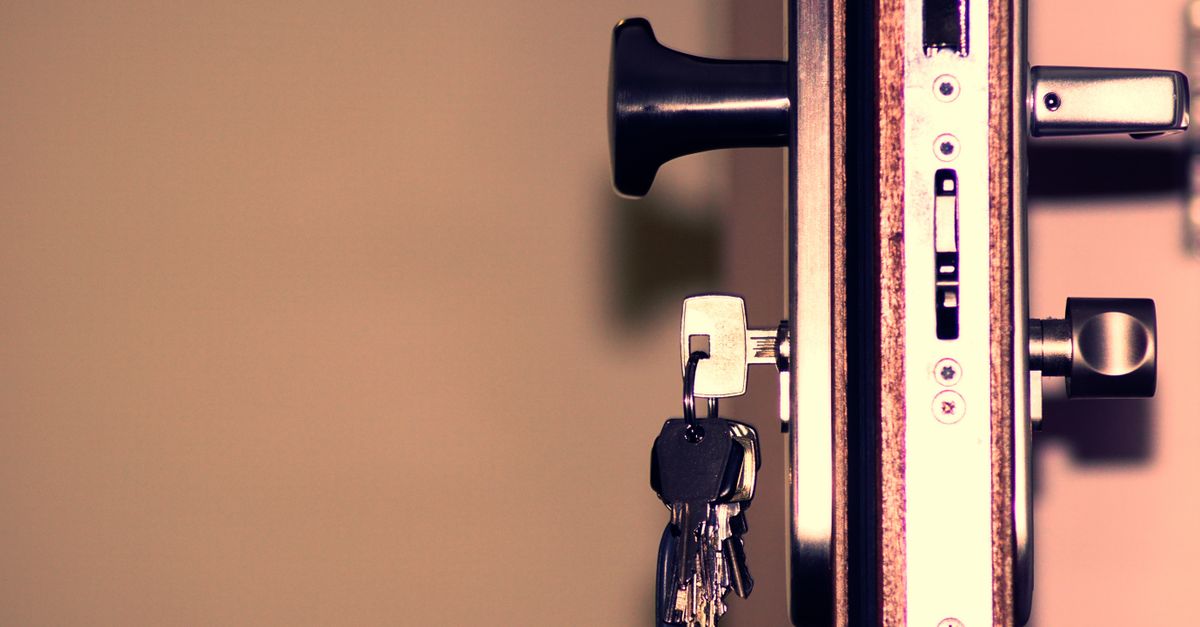
A mortise lock is not just a deadbolt screwed onto a door face — it is a full lock body that is recessed, or mortised, directly into the door itself. That internal installation makes it dramatically harder to kick in, pry, or defeat with shimming. The mechanism combines a spring latch (for hands-free latching when the door swings shut) with a deadbolt operated by key or thumb-turn, and often incorporates a full-length strike plate that anchors deep into the door frame. For steel-framed commercial doors — which are standard on most NYC storefronts and office suites — a properly installed mortise lock creates a single reinforced unit that the door, frame, and hardware share together.
Popular mortise lock cylinders from brands like Medeco, Mul-T-Lock, and BEST are pick-resistant, drill-resistant, and available in restricted-keyway formats, meaning unauthorized key duplication at a hardware store is impossible. If your business currently uses a standard door knob lock with a separate deadbolt, upgrading to a commercial mortise lock is one of the highest-return security investments you can make. Our team installs, rekeyes, and services mortise locks throughout Manhattan, Brooklyn, Queens, the Bronx, and Staten Island — including buildings with older pre-war door profiles that require custom fitting.
## Panic Bars and Exit Devices: Required by NYC Code, and for Good Reason
New York City fire and building codes require panic hardware — commonly called panic bars or crash bars — on most commercial occupancy doors that serve as a primary exit. The device allows anyone inside to exit instantly by pushing a horizontal bar across the door, even if they have never seen the door before. This is not optional for most retail storefronts, restaurants, and offices above a certain occupancy threshold, and failing an inspection can result in fines or forced closure.
From a security standpoint, panic bars do not have to mean a compromised entry point. Modern rim-mount and mortise-style exit devices can be paired with an exterior trim that requires a key or access credential to enter from the outside, giving you full egress from within while controlling who comes in. Brands like Von Duprin and Corbin Russwin manufacture exit devices that integrate directly with a commercial mortise lock cylinder, keeping your security system unified rather than patched together. If you are unsure whether your current exit hardware meets NYC code, our commercial locksmith team can assess your doors and recommend compliant solutions without unnecessary upselling.
## Electronic Access Control: Managing Who Gets In — and When
A traditional key works fine when you have two or three trusted staff members. But if your business has rotating employees, cleaning crews, vendor deliveries, or multiple shifts, a physical key becomes a liability the moment one goes missing. Electronic access control systems solve this by replacing — or supplementing — mechanical keys with credentials that can be added, modified, or deleted from a software dashboard in seconds. Common credential formats include key fobs, proximity cards, PIN keypads, and smartphone-based Bluetooth readers.
For storefronts on busy corridors like West 14th Street in the Meatpacking District or Flatbush Avenue in Park Slope, a cloud-connected access control system also gives you a time-stamped audit trail: you can see exactly who unlocked the front door and at what time, which is invaluable in the event of a theft or a dispute. Entry-level systems can be installed on a single door and scaled up as your business grows. Many modern systems pair with an electrified mortise lock or a magnetic lock (maglok) rather than a traditional cylinder, so the mechanical strength of your hardware and the intelligence of your access system work together. Call (646) 993-7840 to talk through the right system for your space — we install, program, and service access control hardware across all five boroughs.
## How Much Does an NYC Commercial Locksmith Cost? Understanding What Goes Into Your Quote
One of the most common questions business owners ask is: how much does a local locksmith charge for commercial work, and how much should an emergency locksmith cost if I need help at 2 a.m.? The honest answer is that no ethical locksmith should quote a flat price without knowing the specifics of your job, and any quote that sounds implausibly low before a technician has even seen your door should be treated as a red flag.
Several factors shape the final price for any commercial locksmith job. The type and grade of hardware matters most — a basic cylindrical lock costs less to supply and install than a full-function commercial mortise lock with a restricted-keyway cylinder. The time of day affects labor rates, since after-hours, weekend, and holiday calls involve different staffing logistics than a standard weekday appointment. Travel distance across the five boroughs and the current state of your existing hardware (whether it needs to be prepped, reinforced, or custom-fitted) round out the main variables. At Pro Locksmith NYC, we confirm an exact, up-front price with you before any work begins — no surprises when the job is done. That transparency matters especially when you are searching for answers to questions like how much does an emergency locksmith cost near me, because the answer should always come with a real number you agree to in advance.
## A Practical Security Checklist for NYC Storefront Owners
Beyond hardware, smart commercial security is about layering and maintenance. Start by auditing every entry point: front door, rear delivery door, any shared lobby or vestibule entrance, and interior office or stockroom doors. Each one should have hardware appropriate to its risk level — a heavy-duty commercial mortise lock on the primary entry, at minimum a quality deadbolt on secondary doors, and a keyed exit device on any rear egress. If your business handles cash, high-value inventory, or sensitive client data, consider adding a secondary authentication layer such as a keypad or fob reader on your office or server room door.
Rekey or reprogram your locks every time an employee leaves — especially under poor circumstances — and after any break-in attempt, even a failed one. Keep a documented key control log so you always know how many keys are outstanding and who holds them. If you are in a multi-tenant building on a block like 5th Avenue in Midtown or Atlantic Avenue in Boerum Hill, coordinate with your building manager about lobby and vestibule security, since a strong front door is only as good as the entry point before it. Our team offers free consultations for small business owners who want a professional eye on their current setup before committing to any hardware purchase. Reach us any time at (646) 993-7840 — whether it is a planned upgrade or an emergency locksmith situation at an hour when no one else is answering.
## 25 Commercial Locksmith Services We Provide for NYC Businesses
Our commercial locksmith work covers a wide range of needs across New York City. Here is a specific look at what we handle every day: mortise lock installation on steel and wood commercial doors; mortise lock repair and cylinder replacement; commercial deadbolt installation and upgrade; panic bar and exit device installation; panic bar repair and realignment; electrified mortise lock installation for access control integration; magnetic lock (maglok) installation; keypad access control system installation and programming; proximity card and key fob system setup; cloud-based access control deployment and remote management configuration; master key system design and implementation; restricted-keyway cylinder installation to prevent unauthorized duplication; commercial door knob lock replacement; high-security lock installation using pick- and drill-resistant cylinders; storefront glass door lock and Adams Rite latch service; roll-up gate lock and cylinder replacement; padlock and hasp installation on storage areas; safe installation and combination change for in-store safes; safe lockout service; commercial rekeying after employee turnover; lock repair after attempted break-in or vandalism; door closer installation and adjustment to ensure latches engage properly; peephole and door viewer installation on office suites; intercom and buzzer system integration with door hardware; and emergency locksmith response for commercial lockouts at any hour of the day or night.
Frequently asked questions
How do I find a reputable locksmith in NYC for my business?+
Start by looking for a locksmith who operates from a verifiable local address, arrives in a marked vehicle, and is willing to give you an exact written price before starting work. Ask whether the technician has experience specifically with commercial mortise locks and exit devices — residential locksmiths and commercial locksmiths require different skill sets. A reputable commercial locksmith will also ask to verify your identity and ownership before working on any business property, which is a sign of professionalism, not a hassle. Pro Locksmith NYC operates 24/7 across all five boroughs and confirms pricing up front on every job. You can reach us at (646) 993-7840.
What is the difference between a mortise lock and a standard deadbolt for a commercial door?+
A standard deadbolt is surface-mounted — the lock body is bolted onto the face of the door and relies on screws and the door skin for its strength. A mortise lock is recessed into a pocket cut into the door edge, making the lock body, the door, and the frame a single reinforced unit. Mortise locks also combine the deadbolt and spring latch in one mechanism, so the door latches automatically on closing and still deadbolts with a key turn. For commercial steel doors that see heavy daily use, the mortise lock design is significantly more durable and far more resistant to forced entry than a standard deadbolt setup.
How much does an emergency locksmith cost for a commercial lockout in NYC?+
The cost of an emergency locksmith call for a business lockout depends on several factors: the type of lock on the door (a commercial mortise lock involves different tools and techniques than a basic cylindrical lock), the time of day (after-hours and overnight calls carry different labor considerations than a weekday morning), travel distance within the five boroughs, and whether any parts need to be replaced rather than simply opened. At Pro Locksmith NYC, we assess the situation and confirm an exact price with you before any work begins, so you are never surprised at the end of the job. Call (646) 993-7840 any time for an immediate response.
Do I need a panic bar on my NYC storefront door, and can it still be secure?+
Most NYC commercial spaces classified as places of public assembly or with occupancy above certain thresholds are required by city fire and building codes to have panic hardware on primary exit doors. However, a panic bar does not have to mean an unsecured entry. Modern exit devices can be paired with a keyed or electronic exterior trim, so the door pushes open freely from the inside for emergency egress while still requiring a key or credential to enter from the street. Many of these devices integrate directly with a commercial mortise lock cylinder, keeping your whole system consistent. Our team can review your current doors and recommend compliant exit hardware that does not compromise your security posture.